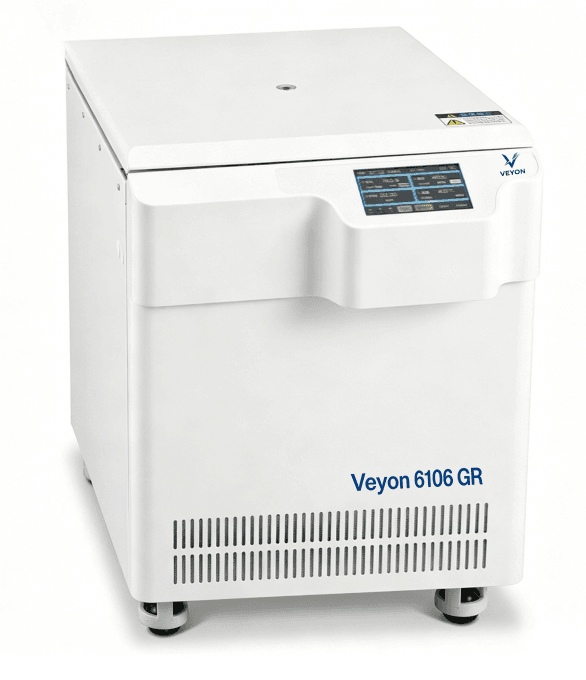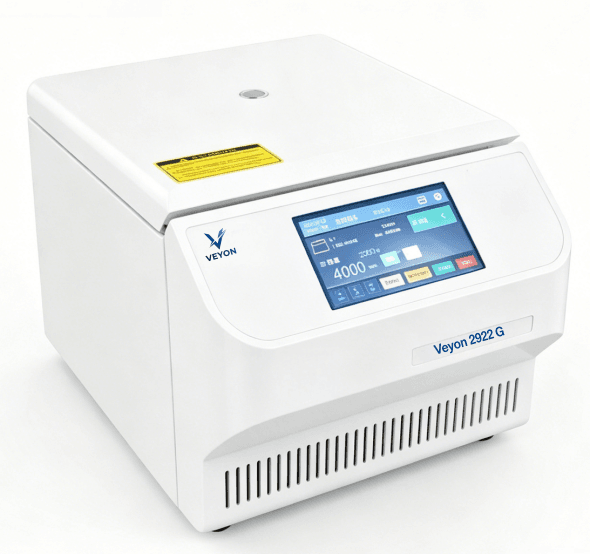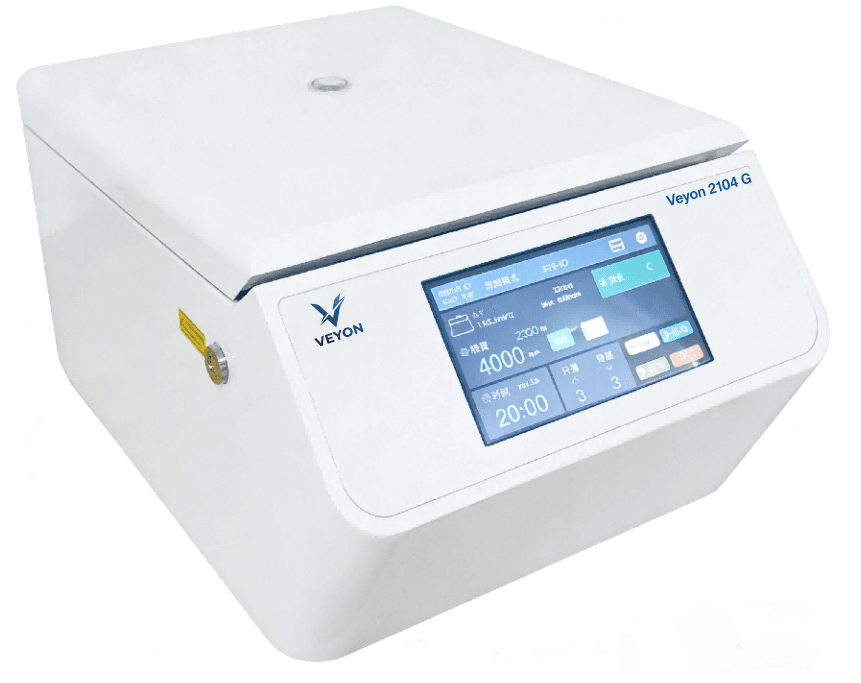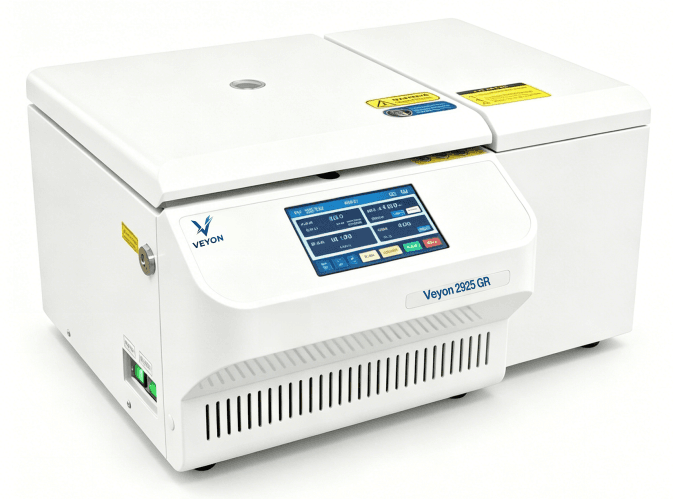
Veyon / Selection Guide
Laboratory Centrifuge Selection
Start with sample type, speed, capacity, temperature control, and rotor compatibility to narrow down the right centrifuge configuration.
Low-speed / high-speed / refrigerated modelsSample and accessory matchingSpecs, FAQ, and articles connected
By type
Turn Search Intent Into Clear Entries
These entries connect common search intent with products, samples, and detail pages.
Benchtop low-speedFor routine clinical, blood, urine sediment, food, and environmental prep.Benchtop high-speedFor microtubes, nucleic acid, protein, and lysate workflows.High-speed refrigeratedFor temperature-sensitive samples and biopharma R&D workflows.High-capacity low-speedFor batch tubes, culture media, homogenates, and bottle samples.Micro high-speedFor low-volume, high-value sample separation.Medical centrifugeFor hospital, laboratory, and third-party testing workflows.
Product match
Match Models By Lab Workflow
Use sample and capacity needs first, then open the product page for rotor, specs, and downloads.
Sample-led
Choose By Sample Type
Common samples are organized as application entries for long-tail search and sales guidance.
Selection logic
How To Choose A Laboratory Centrifuge
- Confirm sample type and vessel format first.
- Confirm speed or RCF, not rpm alone.
- For sensitive samples, check cooling and rotor fit.
- Use capacity, throughput, accessories, and maintenance needs to finalize the model.
FAQ
Selection FAQ
How should I select a laboratory centrifuge?Start with sample type, vessel format, batch capacity, target speed or RCF, then decide whether cooling and special rotors are needed.
What is the difference between low-speed and high-speed centrifuges?Low-speed units fit routine prep workflows, while high-speed units are better for micro samples and higher RCF requirements.
Not sure which model fits?
Share sample type, batch volume, target speed or RCF, and cooling needs. We will match a practical configuration.
Get selection support